
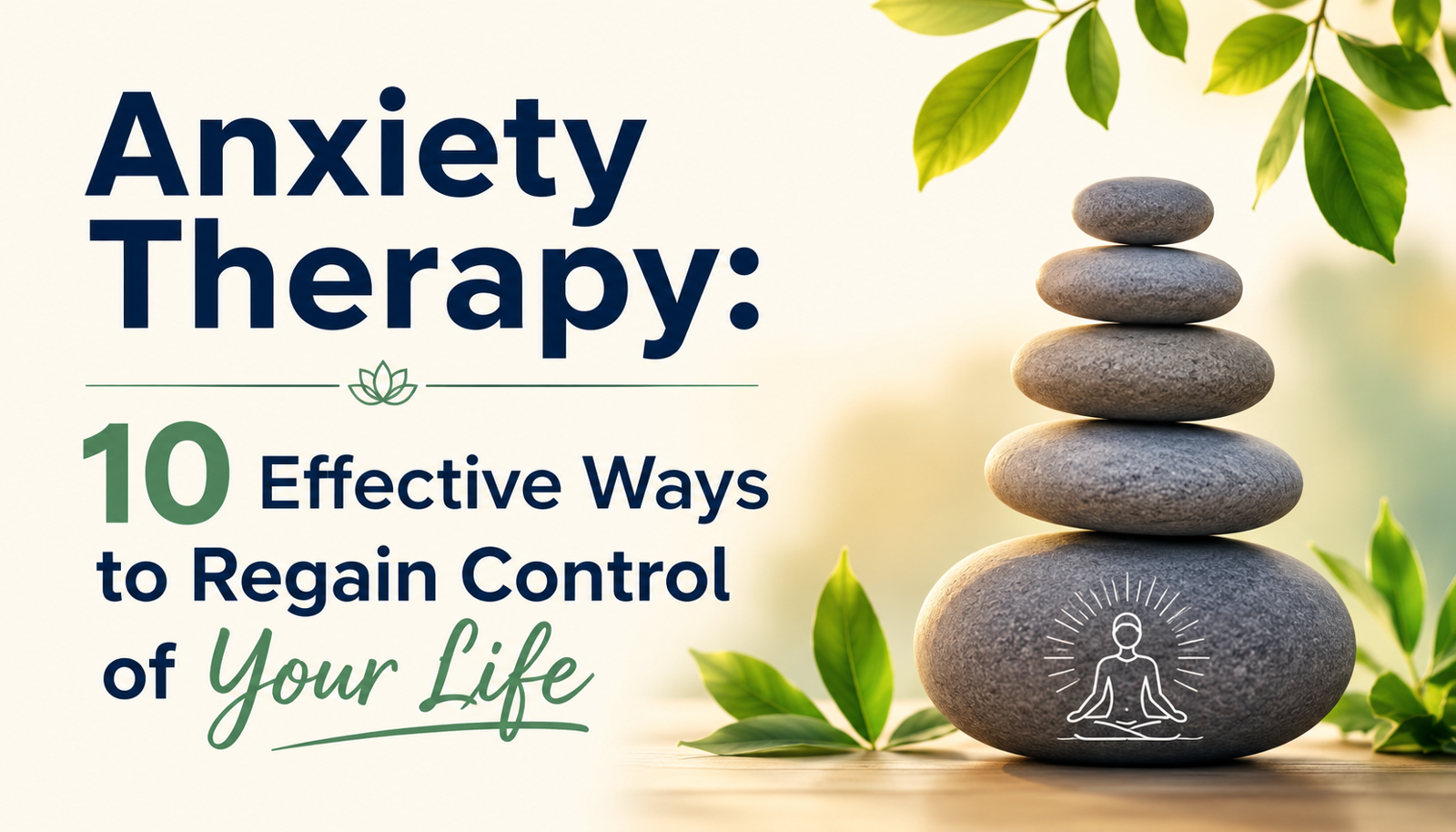
There’s a quiet weight that comes with constantly overthinking, anticipating the worst, and feeling unable to switch your mind off. Many people live with this daily struggle, often unsure where to begin or which path might actually help. The good news is that modern therapy offers a range of proven approaches designed to bring clarity, calm, and control back into your life.
Understanding which methods truly work can make a significant difference.
Below is a carefully curated list of the most effective therapy options, explained in a practical and relatable way.
1. Cognitive Behavioral Therapy (CBT): Rewiring Thought Patterns
Cognitive Behavioral Therapy is widely recognized as one of the most effective approaches for managing persistent worry. It focuses on identifying negative thought patterns and replacing them with healthier, more realistic ones.
CBT works by breaking the cycle between thoughts, emotions, and behaviors. Over time, individuals learn to challenge irrational fears and develop practical coping strategies.
Key benefits include:
Improved awareness of thought patterns
Better emotional regulation
Practical tools for everyday challenges
Many therapists consider CBT a foundational treatment because it delivers measurable results within a structured timeframe.
2. Acceptance and Commitment Therapy (ACT): Learning to Let Go
Acceptance and Commitment Therapy takes a different approach. Instead of fighting distressing thoughts, it encourages individuals to accept them without judgment while committing to meaningful actions.
This method helps reduce the power of intrusive thinking by shifting focus toward personal values and long-term goals.
Why ACT stands out:
Encourages mindfulness and acceptance
Reduces avoidance behaviors
Builds psychological flexibility
For individuals who feel stuck battling their own thoughts, this approach can be incredibly freeing.
3. Mindfulness-Based Therapy: Staying Present in the Moment
Mindfulness-based therapies, including Mindfulness-Based Stress Reduction (MBSR), teach individuals to stay grounded in the present moment rather than worrying about the future.
These therapies often combine meditation, breathing exercises, and body awareness techniques.
Common practices include:
Guided meditation sessions
Deep breathing exercises
Body scan techniques
Regular mindfulness practice has been shown to reduce stress levels and improve emotional resilience, making it a powerful tool for long-term well-being.
4. Exposure Therapy: Facing Fears Gradually
Exposure therapy is particularly effective for those who experience avoidance behaviors. It involves gradually confronting feared situations in a controlled and supportive environment.
The goal is to reduce sensitivity to triggers over time, helping individuals regain confidence.
How it works:
Start with less intimidating situations
Progress slowly to more challenging scenarios
Build tolerance through repeated exposure
This method can feel uncomfortable at first, but it often leads to lasting relief when practiced consistently.
5. Psychodynamic Therapy: Exploring Root Causes
Psychodynamic therapy focuses on uncovering the deeper emotional roots behind persistent worry and stress. It explores past experiences, relationships, and unconscious patterns that may influence current behavior.
This approach is especially useful for individuals who want to understand why they feel the way they do.
Core elements include:
Exploring early life experiences
Identifying recurring emotional patterns
Building self-awareness
While it may take longer than structured therapies, it often leads to profound personal insight.
6. Dialectical Behavior Therapy (DBT): Balancing Emotions
Originally developed for emotional regulation, Dialectical Behavior Therapy has proven effective for individuals struggling with intense emotional responses.
DBT combines cognitive techniques with mindfulness practices, focusing on acceptance and change simultaneously.
Skills taught in DBT:
Distress tolerance
Emotional regulation
Interpersonal effectiveness
This approach is particularly helpful for those who feel overwhelmed by strong emotional swings.
7. Medication-Assisted Therapy: A Complementary Approach
In some cases, therapy alone may not be enough. Medication, when prescribed by a qualified professional, can support therapeutic progress by stabilizing mood and reducing physical symptoms.
Common types include:
Selective serotonin reuptake inhibitors (SSRIs)
Anti-anxiety medications
Beta-blockers for physical symptoms
Medication is most effective when combined with therapy, rather than used as a standalone solution.
8. Group Therapy: Shared Experiences, Shared Healing
Group therapy offers a supportive environment where individuals can connect with others facing similar challenges. It reduces feelings of isolation and creates opportunities for shared learning.
Advantages of group settings:
Peer support and encouragement
Learning from others’ experiences
Building social confidence
Many people find comfort in realizing they are not alone in their struggles.
9. Online Therapy: Flexible and Accessible Support
Virtual therapy has made mental health care more accessible than ever. It allows individuals to receive professional support from the comfort of their own homes.
This option is especially helpful for those with busy schedules or limited access to in-person services.
Why people choose online therapy:
Convenience and flexibility
Access to a wider range of therapists
Comfortable, familiar environment
It has become a practical solution for maintaining consistency in treatment.
10. Lifestyle-Focused Therapy: Supporting Long-Term Change
Therapy doesn’t end in a session. Lifestyle changes play a crucial role in maintaining mental well-being. Many therapists integrate lifestyle strategies into treatment plans.
Common recommendations include:
Regular physical activity
Balanced nutrition
Healthy sleep routines
Limiting caffeine and alcohol
These changes support the effectiveness of therapy and promote overall emotional stability.
Final Thoughts
Finding the right therapeutic approach is a personal journey. What works for one person may not work for another, and sometimes a combination of methods delivers the best results. The key is to stay open, patient, and consistent throughout the process.
Living with anxiety can feel overwhelming, but effective treatment options are available. With the right support and approach, it is entirely possible to regain control and build a calmer, more balanced life.
If you're searching for trusted anxiety therapy Philadelphia, I’ve personally found that working with local therapists who understand the pace and pressures of city life makes a real difference having that nearby, relatable support system can truly change your healing journey.
Read This-: How PTSD Treatment Works: Methods & What to Expect


Write a comment ...